


The intersection of politics and the stock market is a complex one, often filled with uncertainty and volatility. As we approach the 2024 election, it's worth looking back at the 2020 election as a case study in how political events can impact the market and how investors can navigate these turbulent times.
The 2020 Election: A Year of Uncertainty
The 2020 election was marked by unprecedented levels of uncertainty, both politically and economically. The COVID-19 pandemic had sent the global economy into a tailspin, and the election itself was fraught with tension and division. As the election approached, investors were grappling with questions about the potential impact of a Biden or Trump presidency on policies such as taxes, healthcare, and trade.
The Market's Reaction
Despite the uncertainty, the stock market actually performed quite well in the lead-up to and immediately following the election. The S&P 500 index experienced a significant rally in the days after the election, even as the final results were still being tallied. This unexpected surge in the market can be attributed to several factors:
- Market Expectations: Investors had already priced in much of the potential negative impact of a Biden presidency. As the election results became clearer, the market realized that the reality might not be as bad as feared.
- Economic Stimulus: The incoming Biden administration signaled its intention to provide significant economic stimulus to help the country recover from the pandemic. This news boosted investor confidence and drove up stock prices.
- Vaccine Developments: The announcement of promising COVID-19 vaccine trials just days after the election also contributed to the market's positive performance.
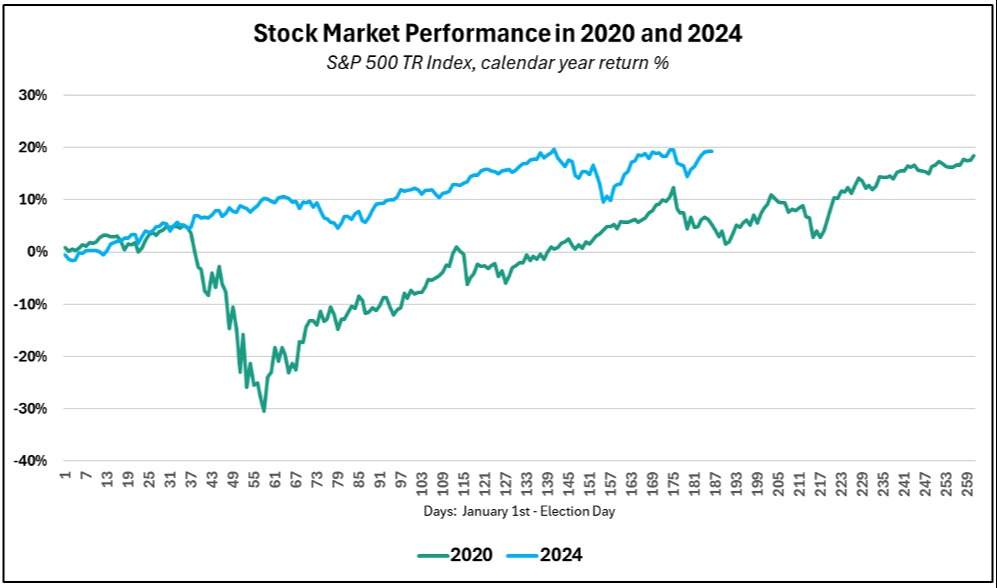
Key Lessons for Investors
The 2020 election offers several valuable lessons for investors:
- Expect Volatility: Political events can cause significant fluctuations in the stock market. It's important to be prepared for volatility and to avoid making impulsive decisions based on short-term market movements.
- Focus on the Long Term: While political events can have a short-term impact on the market, the long-term trend of the stock market has historically been upward. Investing for the long term can help you weather short-term storms and reap the rewards of market growth.
- Diversify Your Portfolio: A diversified portfolio can help you manage risk and protect your investments from market downturns. By spreading your investments across different asset classes and sectors, you can reduce your exposure to any single risk factor.
- Tune Out the Noise: The media can be filled with sensational headlines and conflicting opinions about the stock market. It's important to tune out the noise and focus on your long-term investment goals.
- Avoid Trying to Time the Market: Trying to predict the exact timing of market movements is extremely difficult and often leads to poor investment decisions. Instead, focus on investing systematically over time and staying disciplined with your investment strategy.
Conclusion
The 2020 election serves as a powerful reminder of the interconnectedness of politics and the stock market. While political events can create uncertainty and volatility, investors who maintain a long-term perspective and focus on sound investment principles can navigate these challenges and achieve their financial goals. By understanding the lessons of the past, we can better prepare ourselves for the challenges and opportunities that lie ahead.
Data and rates used were indicative of market conditions as of the date shown. Opinions, estimates, forecasts and statements of financial market trends are based on current market conditions and are subject to change without notice. References to specific securities, asset classes and financial markets are for illustrative purposes only and do not constitute a solicitation, offer, or recommendation to purchase or sell a security. S&P 500 Index is a market index generally considered representative of the stock market as a whole. The index focuses on the large-cap segment of the U.S. equities market. Indices are unmanaged, and one cannot invest directly in an index. Past performance is not a guarantee of future results.