
Article
Understanding Recessions: What They Are, How Often They Occur, and How Long They Last
Learn what a recession is, how often they occur, how long they last, and what you can do to prepare. Get practical tips for individuals and business owners to stay financially resilient during economic downturns.
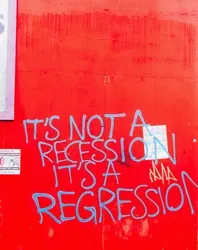
When headlines begin to warn of a recession, it’s natural for investors, business owners, and everyday consumers to feel a surge of anxiety. The word “recession” often conjures up images of stock market crashes, mass layoffs, and economic uncertainty. But what exactly is a recession, how often do they occur, and how long do they typically last?
In this blog post, we’ll break down the basics of recessions, examine historical patterns, and provide insight into how long recoveries typically take. Whether you’re planning for your financial future or simply trying to make sense of economic news, understanding recessions can help you stay grounded during volatile times.
How long do recessions usually last?
Historically, U.S. recessions last about 10 to 11 months on average. Since World War II, most recessions have been less than one year long, though more severe downturns, such as the Great Recession, can last 18 months or longer, with economic recovery taking additional time.
What Is a Recession?
A recession is a significant decline in economic activity that spreads across the economy and lasts more than a few months. The National Bureau of Economic Research (NBER), the official arbiter of recessions in the United States, defines a recession as a period marked by a decline in indicators like real GDP (Gross Domestic Product), real income, employment, industrial production, and wholesale-retail sales.
While many people think a recession is simply “two consecutive quarters of declining GDP,” that’s more of a general rule of thumb than a strict definition. The NBER considers a broader range of data to make its determination.
Key Characteristics of a Recession:
- Slowing GDP growth or contraction
- Rising unemployment
- Declining consumer spending
- Decreased business investment
- Falling real incomes
Recessions are part of the economic cycle, which alternates between periods of expansion and contraction. Though painful, they are also natural resets that help correct imbalances in the economy.
How Often Do Recessions Happen?
Recessions are relatively common in the grand scheme of economic history. Most recessions fall within a range of 6 to 18 months, with shorter downturns typically driven by external shocks and longer ones tied to financial system stress. According to data from the NBER, the U.S. has experienced 34 recessions since 1857. However, focusing on the post-World War II era gives us a more modern perspective.
Recession Frequency Since WWII:
- The U.S. has experienced 12 recessions since 1945, averaging about one every 6.25 years.
- These include notable downturns such as the 1973 oil crisis, the early 1980s recession triggered by interest rate hikes, the dot-com bust in 2001, the Great Recession of 2007–2009, and the brief but sharp COVID-19 recession in 2020.
Though the timing of recessions varies, the economy typically expands for longer periods than it contracts. According to a 2023 report by the Federal Reserve Bank of St. Louis, the average economic expansion lasts about 58 months (just under 5 years), while the average recession lasts 11 months (source).
How Long Do Recessions Last?
While no two recessions are exactly alike, historical data gives us a sense of typical duration.
Average Recession Length:
- Since 1945, the average U.S. recession has lasted about 10.2 months (NBER).
- The shortest was the COVID-19 recession in 2020, lasting just 2 months.
- The longest postwar recession was the Great Recession, which lasted 18 months from December 2007 to June 2009.
It’s worth noting that even after a recession officially ends, the effects, like high unemployment or reduced consumer confidence, can linger for months or even years.
| Recession | Dates | Duration |
|---|---|---|
| COVID‑19 Recession | February 2020 – April 2020 | 2 months |
| Great Recession | December 2007 – June 2009 | 18 months |
| Dot‑Com Recession | March 2001 – November 2001 | 8 months |
| Early 1990s Recession | July 1990 – March 1991 | 8 months |
| Early 1980s Recession | July 1981 – November 1982 | 16 months |
Source: National Bureau of Economic Research (NBER)
How Long Does It Take to Recover?
When we talk about recovery, we’re referring to how long it takes the economy to return to its pre-recession levels of output, employment, and overall economic health. This period is known as the recovery phase of the business cycle.
Factors That Affect Recovery Time:
- Severity of the recession
- Policy response (e.g., interest rates, stimulus spending)
- Global economic conditions
- Consumer and business confidence
- Structural issues in the economy (e.g., housing bubbles, banking crises)
Historical Recovery Timelines:
The NBER table above shows how long each of these five recessions lasted. Recovery runs on a separate clock: the more severe the recession, the longer the recovery tends to be, especially when the labor market is significantly impacted.
For example, during the Great Recession, U.S. unemployment peaked at 10% in October 2009. It didn’t fall below 5% until late 2015, more than six years after the recession began. While a recession officially ends when economic indicators begin improving, households often feel the effects for much longer due to delayed job growth and wage recovery.
Why Do Recessions Happen?
There’s no single cause of a recession. Most are the result of a combination of factors, including:
Common Triggers:
- Tightening Monetary Policy
Central banks may raise interest rates to combat inflation, inadvertently slowing down economic activity too much. - Asset Bubbles and Bursts
When inflated markets (like tech in 2000 or housing in 2008) collapse, they drag the broader economy down with them. - Geopolitical Events
Wars, oil shocks, and global pandemics can disrupt economic activity. - Financial Crises
Credit crunches or banking collapses can quickly spiral into widespread economic trouble. - Consumer Confidence Shocks
When consumers and businesses lose confidence, they reduce spending and investment, slowing down the economy.
What Can Individuals and Business Owners Do?
While you can’t control the economy, you can take steps to prepare yourself financially for a downturn.
For Individuals:
- Build an emergency fund covering 3–6 months of living expenses.
- Diversify your investments to reduce risk.
- Limit high-interest debt, especially from credit cards.
- Maintain market discipline, avoid panic selling during downturns.
For Individuals
Worried about what a downturn could mean for your retirement timeline?
Get our complimentary guide, 5 Ways to Stay Confident in Retirement, for practical steps to stay on track when markets get shaky.
If you are within a few years of retiring, What a Market Downturn Actually Changes About a Near-Retirement Plan goes further.
For Business Owners:
- Monitor cash flow closely and establish a reserve fund.
- Review and streamline expenses to weather slow periods.
- Diversify revenue streams if possible.
- Communicate with lenders and vendors proactively during tough times.
- Continue marketing efforts to stay visible, even when business slows.
For Business Owners
A downturn hits cash flow first, plan the reserve before you need it.
The San Diego Business Owner Blueprint walks through building a cash reserve, cutting the right expenses, and protecting the business itself, not just your personal finances.
Get the Complimentary Blueprint →
In summary:
- Recessions usually last about 10–11 months
- More severe recessions tend to last longer and recover more slowly
- Preparation matters more than prediction when navigating downturns
Final Thoughts
Recessions are an inevitable part of the economic cycle. While they can be challenging, understanding their causes, frequency, and duration can help you make better decisions during times of uncertainty.
Historically, recessions occur about once every 6 years, last around 10–11 months, and recovery can take anywhere from 1 to 6 years, depending on the severity. The key to navigating a recession, whether you’re an individual investor or a business owner, is preparation, patience, and perspective.
If you’re concerned about how a potential recession might affect your financial future, it’s wise to speak with a financial advisor who can help you create a resilient plan tailored to your unique situation.
Talk to an Advisor
Want a plan built for your specific situation, not just the general playbook?
If you’re concerned about how the next downturn could affect your investments, your retirement timeline, or your business, a short conversation can clarify where you actually stand.
Schedule Your Complimentary Consultation →
Sources:
- National Bureau of Economic Research: https://www.nber.org
- Federal Reserve Bank of St. Louis: https://research.stlouisfed.org
- U.S. Bureau of Economic Analysis: https://www.bea.gov
- U.S. Bureau of Labor Statistics: https://www.bls.gov
- “The Great Recession and Its Aftermath”, Federal Reserve History: https://www.federalreservehistory.org
****Contact Us Based in San Diego. Working with clients nationwide. Call (858) 384-3533 or email BStevens@BAS-Financial.com
To schedule a consultation, call (858) 384-3533 or email us at BStevens@BAS-Financial.com. We look forward to helping you secure your financial future.
Material discussed is meant for general informational and educational purposes only and is not to be construed as a recommendation or advice. Although the information has been gathered from sources believed to be reliable, the accuracy and completeness of the information and opinions presented are not guaranteed.
Talk this through
If any of the above applies to your situation, the next step is a conversation about your specific numbers rather than the general case.
Book a consultationA 30-minute call. No document gathering beforehand, and no obligation afterwards.